Posts

Showing posts with the label Diabetes

15 Health Benefits of Inhame and How to Eat It

Image
 What Happens to Your Body When You Eat Inhame Regularly? 15 Benefits to Know There are foods that arrive on our plates with very little fanfare. No expensive packaging. No complicated ingredient list. No celebrity endorsement. Inhame is one of them. For generations, this humble tuber has been part of traditional meals in many parts of the world. It can be boiled, mashed, added to soups, served alongside vegetables or incorporated into other dishes. But could something this simple actually have something valuable to offer your body? The answer is yes. Inhame provides carbohydrates for energy, dietary fiber, potassium, vitamin C and other nutrients. For example, nutrition data for cooked yam shows roughly 116 calories, 27.5 grams of carbohydrate, 3.9 grams of fiber and 670 mg of potassium per 100 grams. And that combination makes it much more interesting than it may first appear. This humble tuber can provide fiber, potassium, carbohydrates and other valuable nutrients. At...

Best Time to Exercise? Morning vs Evening Workouts (Part 3)

Image
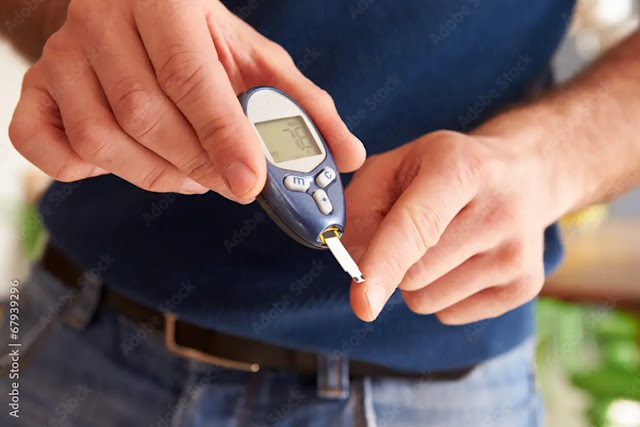
 Morning vs. Evening Workouts: What Is the Best Time to Go to the Gym? (Part 3) If you've been following this series, you've already discovered that both morning and evening workouts have impressive benefits. Morning exercise can help build consistency, improve focus, and set a positive tone for the day. Evening workouts, on the other hand, often allow you to perform at your physical best, lift heavier weights, and relieve the stress accumulated during the day. Now it's time to answer the biggest question: Is there really a "best" time to go to the gym? The answer depends on your health, your goals, your daily routine, and most importantly, the time you can consistently commit to. Diabetes and Workout Timing Monitoring blood glucose before and after exercise can help people with diabetes exercise more safely. Exercise is one of the most effective lifestyle habits for managing Type 2 diabetes. It improves insulin sensitivity, helps muscles use glucose more efficien...

Honey and Diabetes: Is It Safe for Blood Sugar Control?

Image
 Honey and Diabetes: Is Honey Safe for Blood Sugar Control? " Natural " doesn't always mean harmless, especially when it comes to blood sugar. For thousands of years, honey has been valued as both a sweetener and a traditional remedy. It's praised for its antioxidants, antibacterial properties, and natural nutrients. But if you have diabetes, one important question remains: Can people with diabetes safely eat honey? The answer isn't simply yes or no. If you're living with diabetes like I am, you've probably wondered whether replacing sugar with honey is a healthier choice. I certainly have. Since honey comes directly from nature, it feels like it should be better than refined sugar. But does science agree? Let's explore what research actually says. What Exactly Is Honey? Honey is natural, but it still contains sugars that can raise blood glucose levels. Honey is made by bees from flower nectar. It mainly contains: Fructose Glucose Sm...

How to Reduce Nighttime Urination in Diabetics?

Image
  How to Reduce Nighttime Urination in Diabetics Naturally? Blood sugar management is key to improving sleep Understanding Why Diabetics Pee at Night Diabetes can cause your blood sugar to rise too high. When this happens, your kidneys work overtime to flush out the excess sugar through urine. That’s why you often feel the need to pee — even at night. Key causes include: High blood sugar before bedtime Poor hydration habits Alcohol consumption Diuretic medications Weak bladder function The kidneys remove excess glucose through frequent urination Why Alcohol Makes It Worse Alcohol is a natural diuretic, meaning it makes your body lose more fluid. It also impacts how your body controls sugar levels. After drinking alcohol: Your blood sugar may spike or drop Kidneys filter more water Bladder fills up faster, especially at night Alcohol before bed can lead to frequent urination Tips to Reduce Nighttime Urination You can’t always eliminate it, b...

The Truth About Zero-Sugar Soft Drinks: Are They Really Safe for Diabetics?

Image
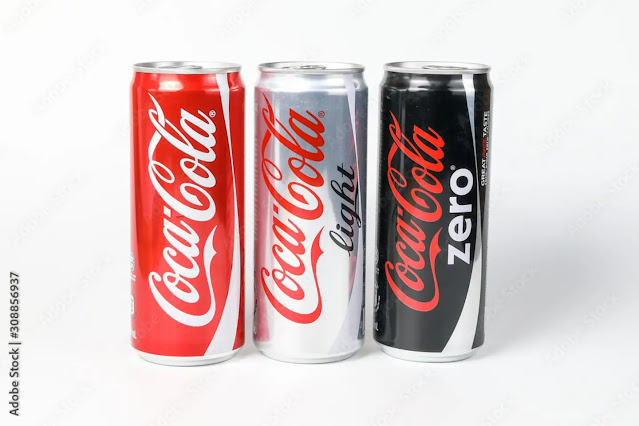
The Myth of Zero-Sugar Soft Drinks: Are They Really Safe for Diabetics? What Does "Zero Sugar" Really Mean? Zero-sugar soft drinks like Coca-Cola Zero and Pepsi Max are marketed as healthier alternatives to regular sodas. Since they contain no table sugar, many assume they are safe for diabetics. But does zero sugar truly mean no impact on blood sugar levels? Zero sugar doesn’t always mean healthier Artificial Sweeteners and Their Effects Zero-sugar sodas replace sugar with artificial sweeteners like: Aspartame – Found in many diet sodas, but linked to insulin response issues. Acesulfame K – Often combined with aspartame, but may impact metabolism. Sucralose – Can alter gut bacteria, affecting glucose tolerance. While these sweeteners don’t contain calories, research suggests they might still trigger insulin release and affect blood sugar regulation. Hidden ingredients in "diet" drinks Are Zero-Sugar Drinks Safe for Diabetics? While zero-sugar sodas don’t contain...

Understanding Sugar in Fruits – Myths, Facts & Best Choices

Image
  Understanding the Sugar Content in Fruits:  What Most People Don’t Know Fruits are nature’s candy—sweet, refreshing, and packed with essential nutrients. But do all fruits have the same sugar content? Can diabetics really eat any fruit without worry? Many people misunderstand the sugar content in fruits, leading to myths that can affect health decisions. Let’s break down the facts and clear up common misconceptions. The Truth About Sugar in Fruits Fruits contain natural sugars, mainly fructose, glucose, and sucrose. Unlike processed sugars, these natural sugars come with fiber, vitamins, minerals, and antioxidants, which help slow down sugar absorption. However, not all fruits have the same sugar content. Fruits High in Sugar: Bananas – Around 14g of sugar per medium banana Grapes – About 23g of sugar per cup Mangoes – Approximately 45g of sugar per fruit Cherries – Around 18g of sugar per cup Grapes are naturally high in sugar, making portion control essential. Fruits L...