Showing posts with label Hair Care Tips. Show all posts

Tuesday, 27 August 2024

Preventing and Treating Hair Loss | Expert Tips for Healthy, Strong Hair
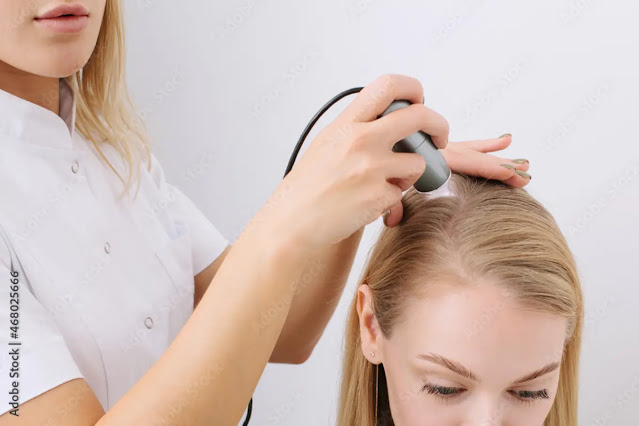
 Discover expert tips for preventing and treating hair loss 

Learn about causes, solutions, and natural remedies to maintain healthy, strong hair. Achieve vibrant wellness.

Dermatologist giving expert advice on preventing and treating hair loss
Professional guidance can offer personalized solutions for managing hair loss effectively


Hair loss is a common concern affecting millions of people worldwide, impacting self-esteem and confidence. Whether it's due to genetics, stress, or lifestyle choices, understanding the causes and solutions for hair loss can help you maintain healthy, strong hair. 

In this comprehensive guide, we'll explore effective strategies for preventing and treating hair loss using expert tips and natural remedies. At HOPAJUINC, we're dedicated to helping you achieve vibrant wellness through informed beauty and health practices. Let's dive in!

"A nutrient-rich diet with vitamins and antioxidants is essential for healthy hair growth. Learn more here."


Person applying hair oil for scalp nourishment and hair strength
Regular scalp massages with nourishing oils can strengthen hair and reduce hair fall

Understanding Hair Loss: Causes and Types

Before we delve into the solutions, it’s essential to understand what causes hair loss. Hair loss, or alopecia, can occur for various reasons, and knowing these causes can help in preventing and treating hair loss effectively.

Common Causes of Hair Loss

  1. Genetics: The most common cause of hair loss is genetics. If you have a family history of hair loss, you might be at a higher risk. Androgenetic alopecia, also known as male-pattern or female-pattern baldness, is hereditary.

  2. Hormonal Changes: Hormonal changes due to pregnancy, childbirth, menopause, or thyroid problems can cause temporary or permanent hair loss.

  3. Medical Conditions: Conditions such as alopecia areata (an autoimmune disorder that attacks hair follicles), scalp infections, and other skin disorders can lead to hair loss.

  4. Medications and Supplements: Certain medications, such as those used for cancer, arthritis, depression, heart problems, and high blood pressure, can cause hair loss as a side effect.

  5. Stress and Lifestyle Factors: High levels of stress, poor diet, and lack of sleep can contribute to hair loss. Hair may also fall out as a result of physical or emotional shock.

  6. Hairstyling and Treatments: Excessive hairstyling or hairstyles that pull your hair tight, such as pigtails or cornrows, can cause a type of hair loss called traction alopecia. Hot oil treatments and permanents can cause inflammation of hair follicles, leading to hair loss.

  7. Aging: As we age, hair naturally begins to thin and fall out. This is a normal part of aging, and while it can't be completely prevented, certain treatments can help slow down the process.


Types of Hair Loss

  • Androgenetic Alopecia: This is a genetic form of hair loss that affects both men and women. It usually presents as a receding hairline or thinning crown.

  • Telogen Effluvium: This type of hair loss occurs when more hairs than usual enter the resting phase (telogen) and fall out. It's often triggered by stress, illness, or childbirth.

  • Alopecia Areata: This autoimmune condition results in patchy hair loss on the scalp and other areas of the body.

  • Traction Alopecia: This form of hair loss is due to repeated pulling or tension on hair strands.


Vitamins and supplements to promote healthy hair growth and reduce hair loss
Certain vitamins and minerals play a key role in strengthening hair and preventing hair loss

Preventing Hair Loss: Tips for Healthy Hair

Preventing hair loss requires a combination of a healthy lifestyle, proper hair care, and sometimes, medical intervention. Here are some effective ways to prevent hair loss and promote hair growth:

1. Maintain a Balanced Diet

A balanced diet rich in essential nutrients like vitamins A, B, C, D, E, zinc, iron, and omega-3 fatty acids can help keep your hair healthy and prevent hair loss. Foods like eggs, nuts, spinach, berries, and fatty fish are great for promoting hair health.

2. Practice Gentle Hair Care

Avoid aggressive brushing, especially when your hair is wet. Instead, use a wide-toothed comb to gently detangle hair. Minimize the use of heat styling tools, and if necessary, use a heat protectant to reduce damage.

3. Choose the Right Hair Products

Using hair products that are free from harsh chemicals like sulfates, parabens, and alcohol can reduce scalp irritation and hair damage. Opt for shampoos and conditioners that contain natural ingredients such as aloe vera, coconut oil, and tea tree oil, which are known to promote hair health.

4. Avoid Tight Hairstyles

Avoid hairstyles that pull your hair tightly, such as ponytails, braids, and buns, to prevent traction alopecia. Instead, choose loose hairstyles that do not put strain on your hair.

5. Reduce Stress

Stress management is crucial in preventing hair loss. Practice relaxation techniques such as meditation, yoga, or deep breathing exercises to reduce stress levels.

6. Stay Hydrated

Drinking plenty of water is essential for overall health, including hair health. Staying hydrated helps maintain a healthy scalp and promotes hair growth.

7. Regular Scalp Massages

Massaging your scalp can increase blood circulation, promote hair growth, and reduce stress. Use natural oils like coconut oil, castor oil, or almond oil for an added boost of nourishment.

"A nutrient-rich diet with vitamins and antioxidants is essential for healthy hair growth. Learn more here."


Fresh vegetables and fruits providing nutrients essential for hair strength and growth
A nutrient-rich diet with vitamins and antioxidants is essential for healthy hair growth

Treating Hair Loss: Effective Solutions

If you're already experiencing hair loss, there are several treatments available that can help you restore your hair. Here’s a look at some of the most effective methods for treating hair loss:

1. Medications

  • Minoxidil: This over-the-counter medication is applied directly to the scalp. It’s available in both liquid and foam forms and is effective in promoting hair growth in both men and women.

  • Finasteride: This prescription medication is taken orally and is mainly used to treat male-pattern baldness. It works by reducing the levels of a hormone that causes hair follicles to shrink.

2. Natural Remedies

Several natural remedies can help in treating hair loss:

  • Aloe Vera: Aloe vera has soothing properties that can calm an irritated scalp and reduce dandruff, promoting healthy hair growth.

  • Onion Juice: Onion juice is rich in sulfur, which is believed to promote hair growth by improving blood circulation to hair follicles.

  • Rosemary Oil: This essential oil has been shown to improve hair thickness and hair growth when massaged into the scalp regularly.

  • Green Tea: Drinking green tea or using it as a hair rinse can boost hair growth due to its antioxidant properties.

3. Hair Transplants

For those experiencing significant hair loss, hair transplantation may be an option. This surgical procedure involves moving hair follicles from one part of the body to the balding areas. It’s a permanent solution but can be costly and requires a professional consultation.

4. Platelet-Rich Plasma (PRP) Therapy

PRP therapy involves drawing a small amount of your blood, processing it to increase the concentration of platelets, and injecting it into the scalp. This treatment is believed to promote hair growth by stimulating hair follicles.

5. Laser Therapy

Low-level laser therapy (LLLT) is a non-invasive treatment that uses light to stimulate hair follicles, encouraging hair growth. It’s a popular option for those looking for a painless solution to hair loss.

6. Microneedling

Microneedling is a procedure that involves using tiny needles to create micro-injuries on the scalp. This process is believed to stimulate collagen production and promote hair growth when combined with topical treatments like minoxidil.


Person doing yoga to manage stress and promote healthy hair growth
Reducing stress through activities like yoga can positively impact hair health and prevent hair loss

Lifestyle Changes to Prevent and Treat Hair Loss

In addition to the above treatments, making certain lifestyle changes can help prevent and treat hair loss:

1. Regular Exercise

Regular physical activity helps improve blood circulation, which can promote hair growth. Exercise also reduces stress, which is a known trigger for hair loss.

2. Get Adequate Sleep

Lack of sleep can contribute to stress and hair loss. Aim for 7-8 hours of quality sleep each night to help your body repair and regenerate, including your hair.

3. Avoid Smoking and Limit Alcohol Intake

Smoking can damage hair follicles and accelerate hair loss, while excessive alcohol consumption can dehydrate the scalp and weaken hair. Reducing or eliminating these habits can promote healthier hair growth.

4. Protect Your Hair from Environmental Damage

Environmental factors such as sun exposure, pollution, and harsh weather conditions can damage your hair and lead to hair loss. Protect your hair by wearing hats, using hair serums with UV protection, and avoiding over-exposure to environmental pollutants.

When to Seek Professional Help

If you’re experiencing sudden or patchy hair loss or if you notice more than usual hair shedding, it’s important to consult a healthcare provider or a dermatologist. They can help determine the underlying cause of hair loss and suggest appropriate treatment options.

4 Tips to Natural Remedies to Prevent Hair Loss


Healthy Diet for Hair Growth:Incorporate foods like spinach, eggs, salmon, nuts, and seeds into your diet. These are rich in iron, biotin, omega-3 fatty acids, and essential vitamins that support hair health.

Scalp Care Tips:Massage your scalp regularly with fingertips or a scalp massager to boost circulation. Use natural oils like coconut or rosemary oil to nourish your scalp and strengthen hair.

Lifestyle Changes:Practice stress-reducing activities like yoga and meditation. Avoid tight hairstyles that pull on hair and can cause breakage.

Herbal Remedies:Use aloe vera gel to condition and soothe your scalp. Apply onion juice to the scalp to promote hair growth and enhance blood circulation.


Call to Action


Are you ready to take the next step in your hair care journey? Start implementing these tips for preventing and treating hair loss today! Whether you're looking for natural remedies, professional treatments, or lifestyle changes, there's a solution that's right for you.


Conclusion

Hair loss can be a distressing experience, but with the right knowledge and approach, it’s possible to prevent and treat hair loss effectively. By understanding the causes, practicing good hair care habits, and considering both natural and medical treatments, you

"A nutrient-rich diet with vitamins and antioxidants is essential for healthy hair growth. Learn more here."

Fully Vital Serum for Hair

Disclaimer: "This content is for informational purposes only and is not intended to be a substitute for professional medical advice, diagnosis, or treatment. Always seek the advice of your physician or other qualified health provider with any questions you may have regarding a medical condition or health objectives. Links provided may be affiliate links, and I may receive a commission at no additional cost to you."

Monday, 26 August 2024

The Role of Hydration in Beauty: How Water Transformed My Skin and Health

Discover how proper hydration transformed my skin and overall health. Learn the role water plays in enhancing beauty, boosting radiance, and improving well-being.


My Journey to Radiant Skin through Hydration

I used to think that skincare was all about the right creams, serums, and masks. While those are important, I’ve come to realize that the real foundation of beauty starts from within—specifically, with something as simple as water. A few months ago, I decided to focus on my hydration habits, drinking more water each day. To my surprise, the changes I saw were incredible. My skin looked fresher, my hair felt healthier, and I had more energy throughout the day. Let me share how hydration can work wonders for your beauty and overall health, just like it did for me.

1. The Power of Hydration: Why Water is Essential for Beauty

Water is often overlooked as a beauty essential, but it plays a crucial role in maintaining healthy skin, hair, and overall well-being. Our bodies are made up of about 60% water, and every cell, tissue, and organ requires adequate hydration to function optimally. For skin, which is the largest organ in our body, hydration is vital. It helps to flush out toxins, maintain elasticity, and provide a natural glow.

When I increased my daily water intake, I noticed that my skin became more supple and less prone to dryness and irritation. Fine lines started to soften, and my complexion looked more radiant. This experience made me realize just how impactful water is for beauty.

2. Hydration and Skin Health: The Science Behind the Glow

Drinking enough water directly affects skin health. Dehydrated skin can become dry, tight, and flaky, which can accentuate wrinkles and make the skin appear dull. When adequately hydrated, the skin maintains its elasticity, looks plumper, and is less likely to crack or become irritated.


  • Benefits of Hydration for Skin:
    • Prevents Dryness and Flakiness: Adequate water intake keeps the skin moisturized from within, reducing dryness and flakiness.
    • Reduces Signs of Aging: Hydrated skin looks plumper and more youthful, minimizing the appearance of fine lines and wrinkles.
    • Enhances Skin Tone: Water helps to flush out toxins and promotes cell turnover, which can improve skin tone and texture.
    • Fights Acne: Hydration helps balance the skin's oil levels, reducing the likelihood of clogged pores and acne breakouts.

I used to struggle with occasional breakouts and uneven skin tone, but after making hydration a priority, my skin began to clear up, and I felt more confident going makeup-free.

3. How Hydration Affects Hair Health

Just like skin, our hair also thrives on proper hydration. Hair follicles need adequate water to remain healthy and produce strong, vibrant strands. Dehydration can lead to dry, brittle hair that is prone to breakage and split ends.

  • Advantages of Hydration for Hair:
    • Improves Hair Texture: Hydrated hair is smoother and more manageable.
    • Prevents Hair Breakage: Keeping hair follicles hydrated strengthens hair, reducing breakage and split ends.
    • Promotes Hair Growth: Proper hydration stimulates the scalp and hair follicles, encouraging hair growth.
    • Maintains Scalp Health: A well-hydrated scalp is less likely to become dry, flaky, or irritated.

Since focusing on my hydration, I've noticed that my hair feels softer, looks shinier, and has less breakage. It’s amazing how something as simple as drinking water can have such a profound impact on beauty.

4. Hydration’s Role in Overall Health and Beauty

Beyond skin and hair, hydration is essential for overall health and well-being, which directly impacts beauty. Water plays a critical role in various bodily functions, including digestion, circulation, and temperature regulation. Proper hydration ensures that all bodily systems are working optimally, which is reflected in our outward appearance.

  • Hydration and Digestion: Water aids in digestion and helps in the absorption of essential nutrients. When the body is well-hydrated, it can efficiently break down food and absorb the vitamins and minerals that contribute to healthy skin and hair.
  • Hydration and Detoxification: Water helps flush out toxins from the body through urine and sweat. This detoxification process helps maintain clear skin and a healthy body.
  • Hydration and Energy Levels: Dehydration can lead to fatigue and sluggishness, which can affect how we look and feel. Staying hydrated boosts energy levels, which in turn helps maintain a healthy appearance.

After improving my hydration habits, I felt more energetic and noticed that my skin and hair looked healthier. This experience made me understand the deep connection between inner health and outer beauty.

5. Nutrition and Hydration: A Dynamic Duo for Beauty

While drinking water is crucial, it's also important to consume foods that are rich in water content. Fruits and vegetables like cucumbers, watermelon, oranges, and leafy greens are excellent for hydration and are packed with essential vitamins and minerals that support beauty from within.

  • Top Hydrating Foods for Beauty:
    • Cucumbers: High in water content and rich in silica, which promotes skin elasticity.
    • Watermelon: Contains antioxidants like lycopene that help protect skin cells.
    • Oranges: Rich in vitamin C, which is essential for collagen production.
    • Leafy Greens: Provide a good amount of water and nutrients like vitamins A and E, which are vital for skin and hair health.

I started incorporating more of these hydrating foods into my diet, and the results were impressive. My skin looked more vibrant, and I felt more hydrated overall.

6. Practical Tips to Stay Hydrated for Beauty

Staying hydrated is easier than it sounds. Here are some practical tips that helped me improve my hydration habits:

  • Set a Daily Water Goal: Aim to drink at least 8 glasses (2 liters) of water daily. Keep a water bottle with you at all times to remind yourself to drink.
  • Infuse Your Water: If plain water feels boring, add slices of lemon, cucumber, or mint for a refreshing twist. Infused water not only tastes great but also provides additional nutrients.
  • Eat Water-Rich Foods: Include hydrating foods in your meals and snacks to boost your water intake.
  • Listen to Your Body: Thirst is a sign that your body needs water. Don’t ignore it! Drink water whenever you feel thirsty.
  • Monitor Your Urine Color: A simple way to check your hydration levels is to look at the color of your urine. Light yellow indicates proper hydration, while dark yellow suggests you need more water.

7. Overcoming Common Hydration Challenges

Despite knowing the importance of hydration, staying hydrated can sometimes be a challenge. Here are some obstacles I faced and how I overcame them:

  • Busy Schedule: It’s easy to forget to drink water during a busy day. I set reminders on my phone to take water breaks every hour.
  • Dislike of Plain Water: I wasn’t a fan of plain water, so I started adding fruits like strawberries and herbs like basil to make it more appealing.
  • Cold Weather: In colder months, I didn’t feel as thirsty. I began drinking warm herbal teas and broths to keep hydrated.

8. Hydration Myths Debunked

There are many myths surrounding hydration, and it’s important to separate fact from fiction to maintain good hydration habits:

  • Myth 1: You Need to Drink 8 Glasses of Water a Day
    While 8 glasses is a good general guideline, hydration needs vary based on factors like age, activity level, and climate. Listen to your body and drink accordingly.

  • Myth 2: Caffeinated Drinks Dehydrate You
    While caffeine has a mild diuretic effect, moderate consumption does not significantly dehydrate you. Drinks like tea and coffee still contribute to your daily fluid intake.

  • Myth 3: Thirst is the Only Indicator of Hydration
    By the time you feel thirsty, you may already be slightly dehydrated. Aim to drink water consistently throughout the day rather than waiting for thirst to guide you.


Conclusion: 

Embrace Hydration for a More Beautiful You

Hydration is a simple yet powerful tool in our beauty arsenal. From enhancing skin and hair health to boosting overall well-being, water is a true beauty elixir. My journey to better hydration has transformed not just my appearance, but also how I feel every day. I encourage you to start paying attention to your hydration habits. Trust me, your body and beauty will thank you!


Call to Action: Ready to unlock the beauty benefits of hydration? Start by increasing your water intake today and incorporating more hydrating foods into your diet. Share your hydration journey in the comments below, and let’s inspire each other to glow from within!

Saturday, 24 August 2024

Understanding Hair Loss: Causes, Prevention, and Its Impact on Beauty

 Understanding Hair Loss: Causes, Prevention, and Its Impact on Beauty

Person examining hair loss in the mirror, concerned about thinning hair
Identifying the early signs of hair loss can help in taking preventive action sooner


Hair is often considered a symbol of beauty and vitality. Losing it can have a profound impact on one’s self-esteem and overall appearance. Hair loss, also known as alopecia, is a common condition that affects millions of people worldwide, regardless of age or gender. This blog explores who is most affected by hair loss, its causes, how it influences beauty, and effective prevention strategies.

Who Does Hair Loss Affect?

Hair loss can affect anyone, but some groups are more prone to it than others. Both men and women can experience hair loss, though the patterns and prevalence may differ. For men, hair loss often begins as a receding hairline or thinning at the crown, which can progress to partial or complete baldness. Women, on the other hand, tend to experience thinning across the scalp, usually retaining their hairline.

Age is another significant factor. As people age, hair naturally thins. Genetics play a crucial role; those with a family history of hair loss are more likely to experience it. Certain medical conditions, such as thyroid disorders, autoimmune diseases, and hormonal imbalances, can also contribute to hair loss. Even stress and nutritional deficiencies can trigger or exacerbate this condition.

Loose strands of hair on a brush, a common sign of hair loss
Excessive hair shedding can signal underlying health issues or stress factors

Causes of Hair Loss

There are various reasons why people experience hair loss. Some of the most common causes include:

  1. Genetics: Hereditary-pattern baldness is the most common cause, affecting both men and women. It’s often related to aging and follows a predictable pattern.

  2. Hormonal Changes and Medical Conditions: Conditions like pregnancy, menopause, polycystic ovary syndrome (PCOS), and thyroid problems can lead to hair loss. Autoimmune diseases like alopecia areata cause hair loss when the immune system attacks hair follicles.

  3. Medications and Supplements: Certain drugs used to treat cancer, arthritis, depression, heart problems, and high blood pressure can cause hair loss. Overuse of vitamin A or retinoids can also be a factor.

  4. Radiation Therapy: Hair loss can occur in the area being treated, and the hair may not grow back the same.

  5. Stress and Psychological Factors: High levels of stress can lead to temporary hair loss, known as telogen effluvium. This is when stress pushes large numbers of hair follicles into a resting phase, causing hair to fall out more easily.

  6. Poor Nutrition: Diets lacking in protein, iron, and other essential nutrients can lead to hair thinning and loss. A healthy, balanced diet is crucial for maintaining hair health.

  7. Hair Treatments and Styling: Frequent use of chemical treatments, dyes, and heat styling can damage hair and lead to breakage and loss. Tight hairstyles, like ponytails and braids, can also cause traction alopecia, where hair falls out due to tension on the hair shaft.


Scalp massage promoting hair health and relaxation
Regular scalp massages increase blood circulation, which can aid in hair growth

Prevention of Hair Loss

Preventing hair loss involves several strategies, focusing on both lifestyle changes and medical treatments. Here are some effective prevention tips:

  1. Maintain a Healthy Diet: Consuming a balanced diet rich in proteins, vitamins, and minerals is essential for healthy hair. Include foods high in omega-3 fatty acids, iron, and vitamins A, C, D, and E, which support hair growth.

  2. Avoid Harsh Treatments: Limit the use of heat styling tools, chemical treatments, and tight hairstyles that can stress hair and scalp. Opt for gentle hair care products that are sulfate-free and rich in natural oils.

  3. Manage Stress: Reducing stress through regular exercise, meditation, yoga, or hobbies can significantly reduce stress-induced hair loss. Consider mindfulness practices or cognitive behavioral therapy (CBT) to manage chronic stress.

  4. Scalp Care: Regularly cleanse the scalp to remove excess oil and debris that could clog hair follicles. Consider scalp massages to stimulate blood flow, which can promote hair growth.

  5. Medical Treatments: For those experiencing significant hair loss, medical treatments like minoxidil or finasteride can help. It’s essential to consult with a dermatologist or healthcare provider for appropriate treatment options.

  6. Hormone Balance: For individuals experiencing hair loss due to hormonal imbalances, addressing the root cause with the help of a healthcare provider can prevent further hair loss.


Comparison of hair before and after hair loss treatment
Effective hair care treatments can bring noticeable improvement in thickness and texture

How Hair Loss Influences Beauty and Self-Esteem

Hair is often seen as a crowning glory, contributing significantly to a person’s overall appearance and self-image. Hair loss can affect one's self-esteem, leading to a decrease in confidence and feelings of attractiveness. For many, hair is a vital part of their identity, and losing it can feel like losing a part of themselves.

Society often associates thick, healthy hair with youth and vitality. Consequently, individuals experiencing hair loss might feel prematurely aged or less attractive. This can lead to social anxiety, depression, and isolation. The psychological impact of hair loss should not be underestimated; it’s as much a mental health issue as it is a physical one.

Confident person smiling with healthy hair after managing hair loss
Taking proactive steps to address hair loss can improve self-esteem and appearance


Embracing Hair Loss and Finding Confidence

While hair loss can be distressing, it is crucial to embrace and accept changes in appearance as a natural part of life. Confidence can be rebuilt by focusing on other aspects of one’s appearance or personality. Hairstyles, wigs, or head coverings can offer alternative ways to feel attractive and stylish. Support groups and counseling can also help in dealing with the emotional aspects of hair loss.


Conclusion

Hair loss is a common issue that affects millions of people, impacting not just their appearance but also their confidence and quality of life. Understanding the causes and exploring preventive measures can help manage and mitigate its effects. By embracing a healthy lifestyle, avoiding damaging hair practices, and considering medical treatments when necessary, individuals can take proactive steps to maintain their hair health.

If you are experiencing hair loss and it is affecting your self-esteem, it’s important to consult with a healthcare provider to explore your options. Remember, you are not alone in this journey, and there are many resources and treatments available to help you.

Natural hair care products promoting healthy hair
Selecting natural, gentle hair care products can reduce the risk of hair damage

Call to Action

Do you want to learn more about maintaining healthy hair or explore effective treatments for hair loss? Subscribe to our blog for more tips, expert advice, and the latest in hair care solutions. Don't let hair loss define you—take charge of your hair health today! See the solution for hair loss and try it now.


Natural hair care products promoting healthy hair
Selecting natural, gentle hair care products can reduce the risk of hair damage


Disclaimer: This blog contains affiliate links if you click on these links and make a purchase,i may earn a commission at no additional cost to you. I only recommend products or services that i personally use and believe will add value to my readers.


Stop Using Cotton Buds? Safe Ear Cleaning & Ear Wax Facts

 Stop Using Cotton Buds? The Truth About Ear Wax and Safe Ear Cleaning Many people grow up believing that cotton buds are the perfect tool...